
Unlocking TDM: Lessons learned from both sides of the Atlantic
In this episode of ‘Voices of the Industry’, London-based Steer Director Lisa Martin is joined by our Associate in the US, Julia Wean, as the pair discuss lessons learned from their careers in TDM, or behaviour change as it is commonly called in the UK.
News and Insights

A Partnership for Success: Steer and Fourth Economy’s DEIB work in the Shared Micromobility Industry
NABSA facilitates spaces for growth and aims to promote a more equitable and sustainable transportation ecosystem.
Read more
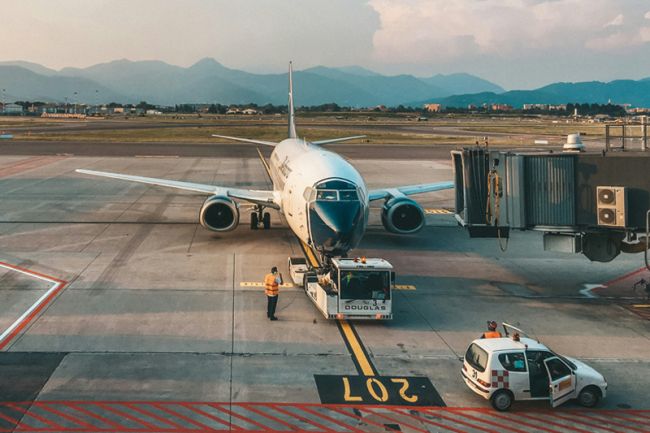
Steer Italy ranks as number one technical advisor
Infralogic's Country Report ranks Steer Italy as number one technical advisor based on number and size of infrastructure transactions.
Read more

As we make the switch to electric vehicles what regulations are shaping the transition?
EVs are bringing a myriad of infrastructure changes that consumers and governments need to prepare for.
Read more

Steer Director Liliana Pereira appointed to Passenger Rail Advisory
Steer Director Liliana Pereira has been appointed to the Passenger Rail Advisory Committee (PRAC) of the Surface Transportation Board (STB).
Read more

Data analytics – pragmatism is key to commerciality and adoption by stakeholders
In today's data-rich world, clarity and advanced analysis are crucial for turning vast information into actionable insights.
Read more
We are Steer
Be part of a team that takes pride in the difference we make to our clients, our communities and our colleagues.
Progressive thinking
Steer Economic Development, part of Steer, is a boutique economic development consultancy changing the way clients think about economic development strategy.